The first mention of the ‘Tigers’ dates back to the 67BC (Before Colonisation), where a loose group of militias joined together to defend a group of bases on Ganymede in order to help Titus Jendar’s work in restoring the Martian Portal.
Use of the term ‘Tiger’ has not been without controversy, as traditional Tiger uniforms use a spotted camo more like leopards, rather than a striped one. It is believed this issue was caused by an error in the Ark Database AI that misidentified all large cats as ‘Tigers’.

After the Jendari Pilgrims landed in the Boskovan Mountains on Jendar, the tribes that would become House Baronor moved to the west, the Tigers however moved east and settled in the land that would become the nation of Babbacumbe.
The Tigers came to prominence during the Age of Dragons 100-400AC after taming dinosaurs for use in combat. They proved their own combat prowess and the utilisation of dinosaurs in multiple battles including the Battle of Black Pass 167AC, The Siege of Hadradok 285AC and The Fall of Urbesh 312AC.

The nation of Babbacumbe lacked in natural resources, bar diamonds which became key in establishing trade with the Rin Empire, and Babbacumbe joining the Jendari Collective by signing the Jendari Treaty in 1046AC. What Babbacumbe lacked in resources however, they made up for in manpower. This seeming contradiction came about due to an overemphasis in childbearing within Babbacumbe’s predominant religion at the time simply called ‘Fire’. Fire’s theology espoused expansion in every realm of life even if destructive. This combination lead to many Tigers working as mercenaries throughout the Collective, easing the strain on resources felt at home in Babbacumbe. Culturally it was assumed that all male Tigers would eventually become soldiers and all women would serve for a time, before settling down into their role of raising the next generation of warriors.
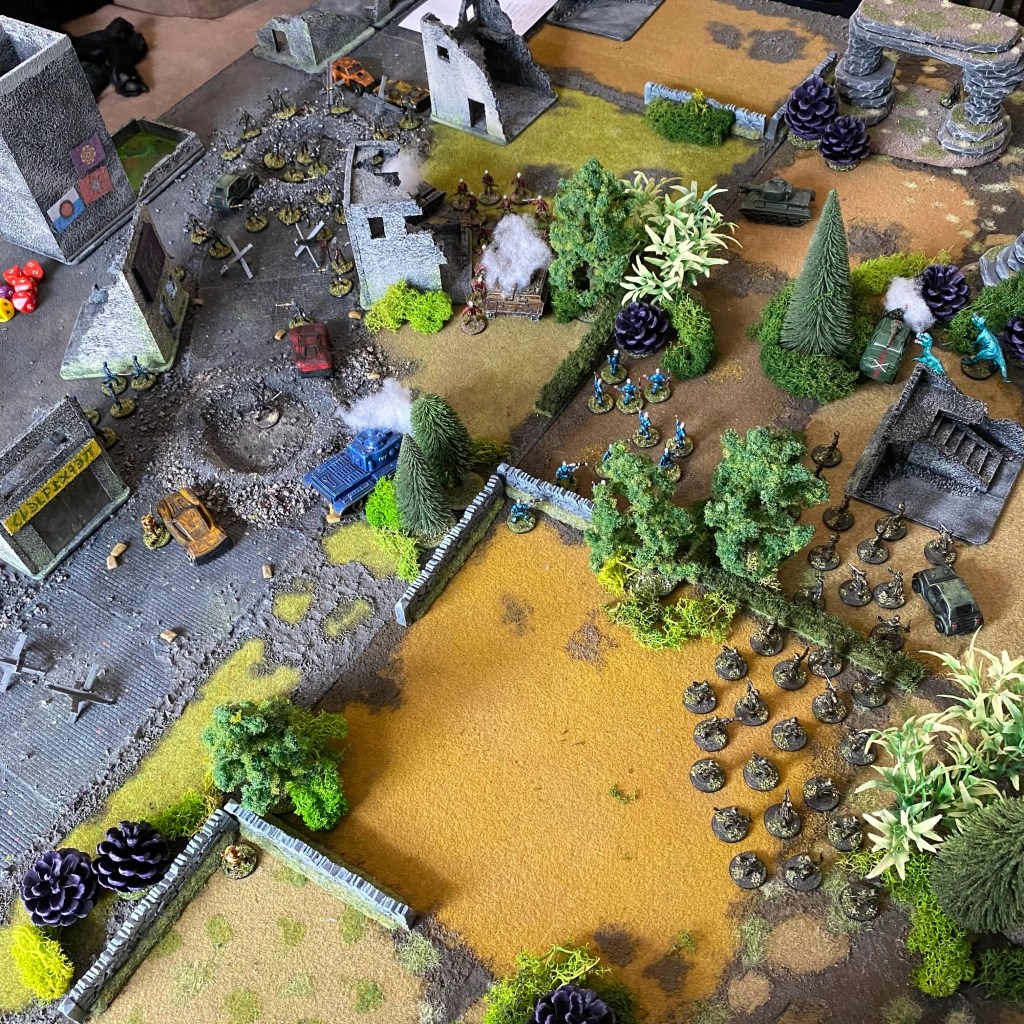
This mindset lead to stagnation within Babbacumbe itself, however with the rest of the Collective picking up the slack in terms of technology and manufacturing, Babbacumbe’s role as the main producer of new military personnel became clear.

The Tigers formed the backbone of Jendari Collective forces during the Oltra Campaign 2000-2100AC and the Second Global War 2100-2143AC, with only Su Khan even coming close, and even the JDA (Jendari Defence Army, which is made up of people conscripted from every other Collective nation) falling short.

With the beginning of the Selenoid Wars in 2143AC and the formation of the larger JDA (Jendari Defence Alliance) combining forces from both the Jendari Collective and House Baronor, the Rin Empire seceded from the Collective and the JDA, refusing to join with House Baronor. This lesser conflict know as the Rin Rebellion began in 2148AC.

The Tigers once again bore the brunt of this new military conflict.

 Deathzap
That is a great back story and nice paintwork.